One of cycling’s less welcome but most written-about Covid legacies has been the ongoing reluctance among riders to pin on a number and enter competitive events. This phenomenon is not confined to one discipline – organisers of road races and time trials alike have watched numbers fall, and the ensuing fight to boost them again has been a tough one.
However, there’s one racing niche that appears to be bucking that trend: hill-climbing. This year these short, sharp races against the clock have seen their highest numbers of both riders and overall race participations since before the pandemic. These aren’t small improvements either. Figures shared with Cycling Weekly by the Spindata platform show that this year’s 4,650 participations is a 19.6% increase on last year and 17.8% on 2024.
Both significant boosts. But it’s the numbers of individual riders that has enjoyed the biggest increase.
Latest Videos FromCycling Weekly
Those are up more than 30% on last year, from 1,699 to 2,214. It’s an even bigger jump from the year before, and comparable to hill-climbing’s 10-year high of 2,300 riders, recorded in 2018.
So what has caused this? On the face of it, hill-climbing has to be among the least likely niche’s to catch the zeitgeist. Involving chilly hillsides and quirky, home-customised bikes, hill-climbing is eccentric and uniquely British, not unlike common-or-garden time trialling, or Audax riding, but turned up to 11.
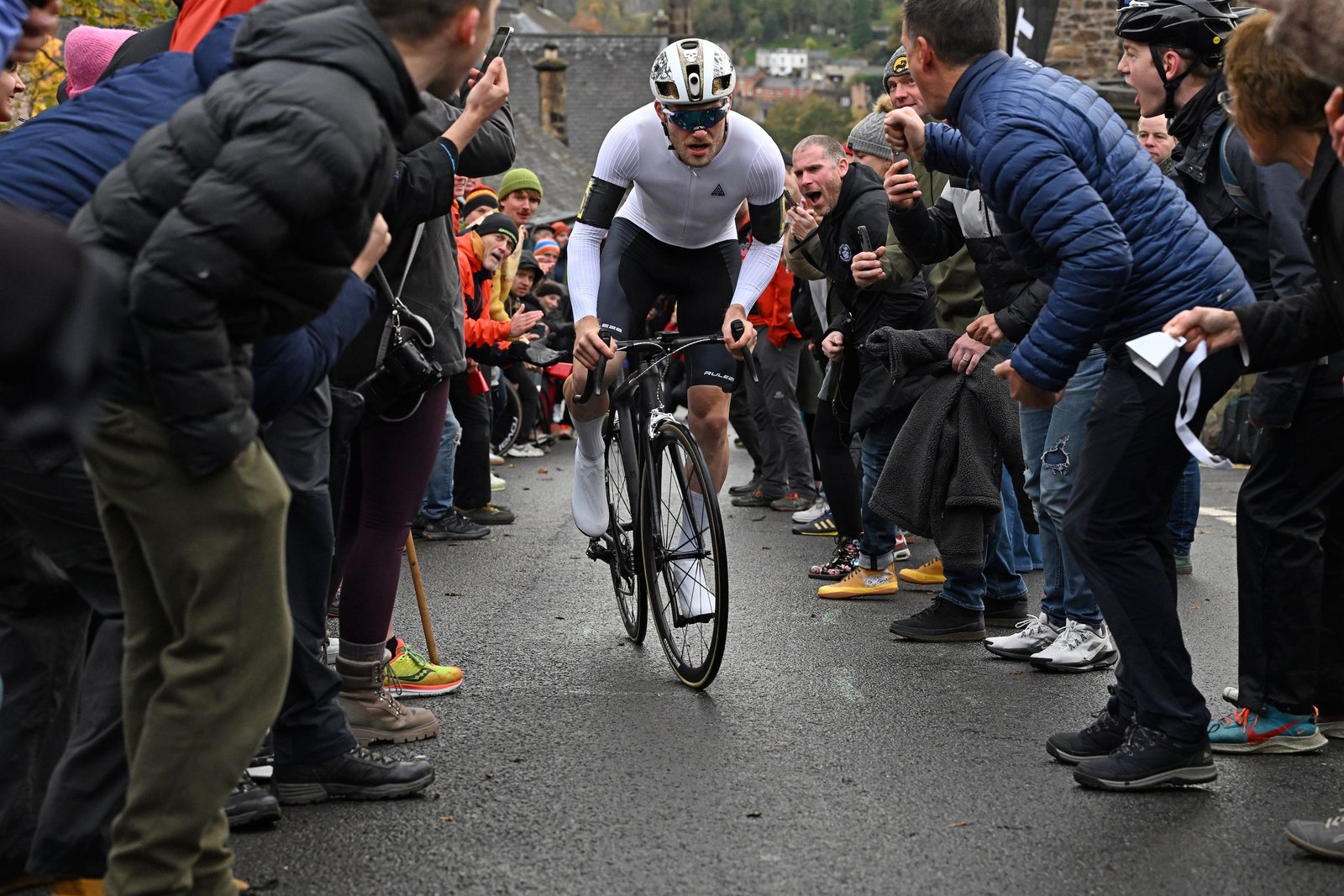
What hill-climbs have in favour over both those disciplines though is accessibility and almost complete safety. They’re easy to enter, and even if you’re not the biggest fan of hills, the events are very short. You only need to make it to the top, which often takes just a few minutes, and then you’re done. What’s more, you’ll be cheered up all the way by crowds at the side of roads that are either quiet or closed. The close-quarters congregation of riders and supports alike make for a highly social event too.
Tim Smith is the chair of Cycling Time Trials – the governing body of time trialling and hill-climbing in the UK. He told Cycling Weekly that the increase was “encouraging” and that CTT was keen to identify and build on the growth.
“We’re really encouraged to see such a significant increase in participation in hill-climb events,” he said. “Hill-climbing has always been a popular and distinctive part of time trialling, but the recent growth demonstrates that it continues to attract both existing riders and newcomers to the sport.
He said the format’s “short, challenging and accessible” nature held a “particular appeal” – and that closed roads events offered a great opportunity and a “controlled environment” for younger riders to experience competition for the first time. He also praised the enthusiasm and commitment of clubs, promoters and volunteers.
“The CTT are keen to identify how we can build on this growth,” Smith added. “We’re looking at ways to sustain this momentum and identify opportunities to replicate that success across other types of time trial events. It’s fantastic to see so many more riders getting involved, and we want to make sure we continue to create opportunities for people to take part in our sport.”
