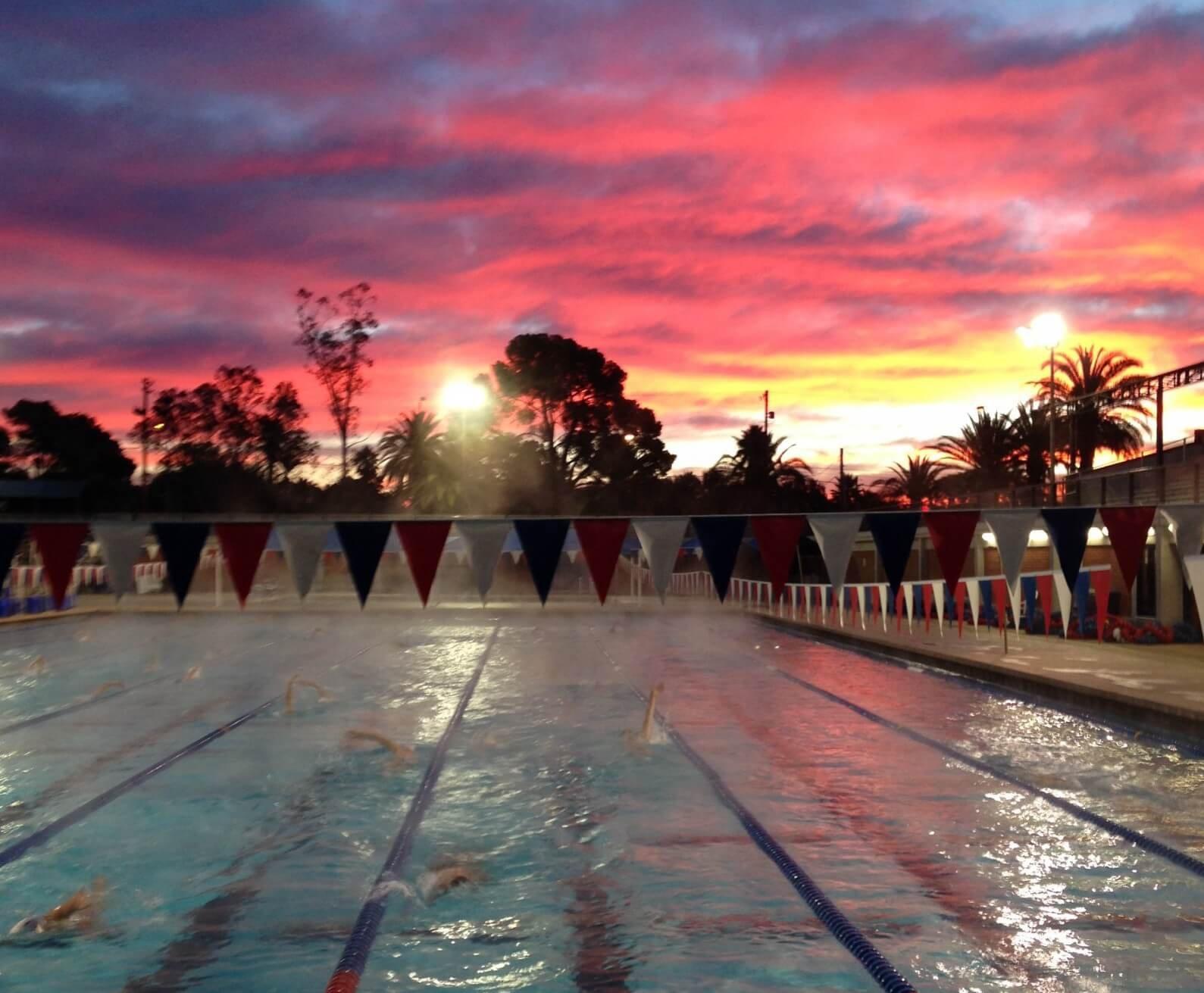
While Your Friends Are Sleeping: The Reality of Being a Competitive Swimmer
Every athlete understands that competing at a high level requires dedication, discipline, and sacrifice. But for competitive swimmers, these demands often extend beyond the pool and into nearly every aspect of daily life. While friends playing other sports are following their own routines, swimmers are navigating a schedule and lifestyle that can look entirely different. Below are three reasons why the lifestyle of a competitive swimmer differs.
1. The Schedule: Swimming Doesn’t Fit Into a Normal Day
For many competitive swimmers, the day begins long before the sun comes up. While friends are getting ready for school or enjoying an extra hour of sleep, swimmers might already be finishing their first workout of the day. Between early morning practices, afternoon sessions, dryland, weight room, swim meets, and school responsibilities, finding time for anything else becomes a balancing act. Unlike sports that may center around one daily practice or a defined competitive season, swimming often demands a year-round commitment that makes the pool a constant part of an athlete’s routine.
2. The Sacrifices: When Your Social Life Takes a Back Seat
Being a competitive swimmer often means making sacrifices that friends in other sports might not fully understand. Friday night plans can be difficult when Saturday morning practice starts at 6 a.m. Furthermore, weekends, vacations, and holidays frequently revolve around the next big meet. While friends are making spontaneous plans, swimmers are thinking about recovery, training, and their next competition. It’s not that swimmers don’t want to participate – it’s that their priorities often require them to make different choices.
3. The Individual Responsibility: When It’s Just You Behind the Blocks
Even though swimming is a team sport, there is an individual responsibility that makes competition uniquely challenging. In football or volleyball, teammates work together throughout the game, and they share the pressure and responsibility of the outcome. In swimming, once a swimmer steps onto the starting block, the race belongs to them. Every hundredth of a second, personal best and missed opportunity becomes part of an individual journey. Teammates can offer encouragement and coaches can provide guidance, but ultimately, swimmers must learn to hold themselves accountable for their own progress.
The life of a competitive swimmer isn’t always easy to explain to friends who participate in other sports. The early mornings, missed social activities and individual pressures create a lifestyle that requires a different level of daily commitment. However, these experiences also build discipline, resilience and independence that extend far beyond the pool.
