Pro cyclists have had enough of dangerous racing conditions. That much is clear. On Saturday, riders came together at the start of Il Lombardia to pause before setting off, and released a carefully worded, measured, yet angry statement at the same time, demanding change.
The most immediate concern is non-race vehicles on courses, something which was seen at two Italian races last week, but also caused the death of Finlay Tarling in August. The statement, shared by Tom Pidcock and Ben Healy among others, read: “This summer, a life was tragically lost to exactly this kind of failure. We will not stand for this any longer. Riders race at high speed with little protection, and we depend on the UCl and race organisers to secure the roads. That responsibility is not being met.”
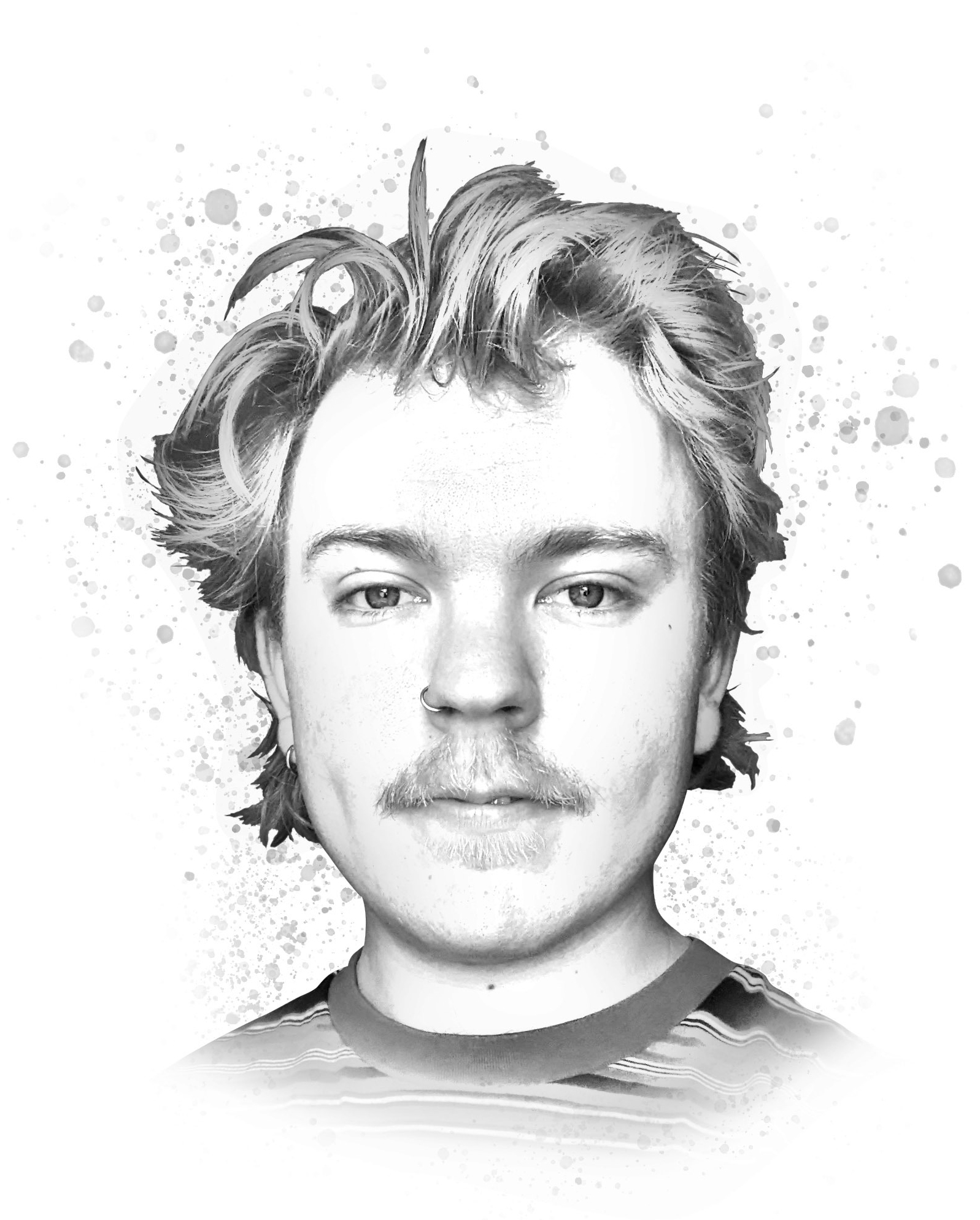
News editor at Cycling Weekly, Adam brings his weekly opinion on the goings on at the upper echelons of our sport. This piece is part of The Leadout, a newsletter series from Cycling Weekly and Cyclingnews. To get this in your inbox, subscribe here. As ever, email adam.becket@futurenet.com – should you wish to add anything, or suggest a topic.
The protest, and the statement, were heartwarming to see. It was also welcomed by Tarling’s father, Michael, on social media. Riders should not settle for racing in unsafe conditions, and by speaking up and by making a stand they have made their feelings clear. It was reportedly organised in the week before Lombardia, after two of Pidcock’s teammates had been hit by a police motorbike at Tre Valli Varesine. Interestingly, it was organised outside of the auspices of the riders’ union, the CPA, and instead organised just by the riders themselves; there seems to be a consensus in the peloton on this topic.
Latest Videos FromCycling Weekly
This week, the International Association of Cycling Race Organisers (AIOCC) responded to the protest, saying they were committed to race safety.
“We understand the legitimate concerns of the riders and the risks inherent in their profession,” a statement read. “We stand in solidarity with them, but at the same time regret that Saturday’s protest took place without any prior consultation between the race organiser and the riders’ unions. Only by working together in a calm and respectful manner can we make progress in the interests of, and out of love for, cycling.”
I’m not sure this is true. Riders have voices, and are the stars of the sport, and so by protesting, by perhaps even withdrawing their labour, then they can force through changes that are clearly needed. One death is too many, and a rapid conversation is needed in order to avoid this kind of tragic situation again in the future – we are past the point of calm and respectful.
My hope is that this protest and the organising triggers a new solidarity in the peloton, between riders of all statures and nationalities, and that this energy can be kept up. One protest and statement should just be the start, not the end of this action. The pressure needs to be kept on the UCI and race organisers to do something, to make visible change, to prevent something like Tarling’s death happening again. Statements and commissions don’t cut it when things are so clearly dangerous; this should be a never again moment.
This piece is part of The Leadout, the offering of newsletters from Cycling Weekly and Cyclingnews. To get this in your inbox, subscribe here.
If you want to get in touch with Adam, email adam.becket@futurenet.com.
